
Exploring Unique Dining Experiences at a Canggu Restaurant
Discovering the Essence of Canggu’s Culinary Scene
Canggu, a vibrant coastal town in Bali, has evolved from a laid‑back surf haven into a dynamic food destination. Travelers and locals alike are drawn to its eclectic mix of traditional warungs, modern eateries, and experimental kitchens that push the boundaries of flavor.
The region’s unique blend of cultural influences—Balinese heritage, Indonesian spices, and international trends—creates a fertile ground for innovative dining concepts. Whether you’re seeking a sunset dinner on the beach or a hidden garden brunch, Canggu offers experiences that engage all senses.
Historical Roots and Modern Evolution
Historically, Canggu’s food culture was anchored in simple, family‑run stalls serving nasi campur, satay, and fresh seafood. Over the past decade, an influx of expatriates and tourists sparked a culinary renaissance, encouraging chefs to reinterpret classic dishes with contemporary techniques.
This evolution is evident in the rise of farm‑to‑table concepts, where locally sourced ingredients are highlighted, and in the emergence of fusion menus that marry Balinese spices with global cuisines. The result is a dining landscape that respects tradition while embracing creativity.
Why Unique Dining Matters
Unique dining experiences go beyond taste; they tell a story. In Canggu, each restaurant often reflects the personality of its founders, the surrounding environment, or the cultural narratives they wish to share. This storytelling aspect transforms a simple meal into a memorable adventure.
For travelers, these experiences provide deeper connections to the place, offering insight into local customs, sustainability practices, and artistic expressions that define Canggu’s identity.
Signature Concepts That Define a Canggu Restaurant
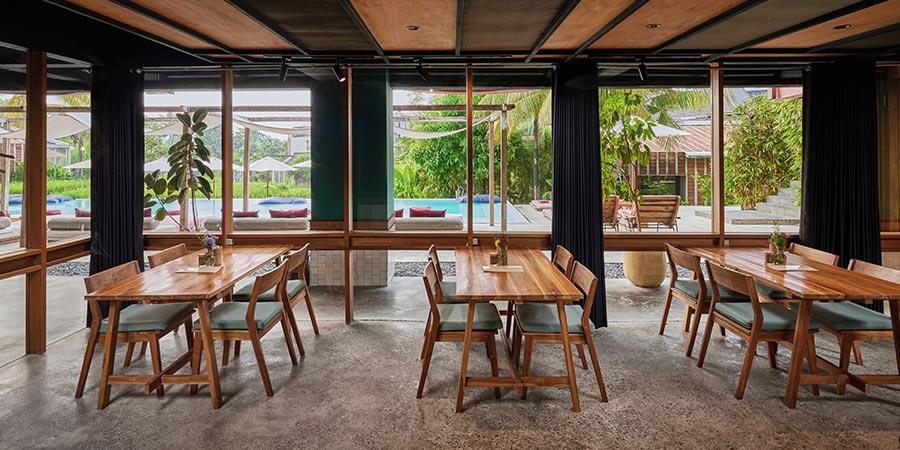
Among the many establishments, a few stand out for their daring concepts and immersive atmospheres. One such venue blends open‑air dining with a beachfront vibe, allowing guests to hear the waves while savoring expertly crafted dishes.
Another notable concept incorporates a rooftop garden where herbs are harvested on demand, ensuring freshness and allowing diners to witness the journey from soil to plate. These innovative approaches illustrate how environment and cuisine can intertwine to create unforgettable moments.
Interactive Dining: From Chef’s Table to DIY Plates
Interactive dining experiences, such as chef’s tables or build‑your‑own bowls, invite guests to become part of the culinary process. Watching a chef flame‑sear fish or assemble a vibrant poke bowl adds a theatrical element that heightens anticipation and satisfaction.
These formats also foster conversation between diners and culinary staff, offering insight into ingredient origins, cooking methods, and the inspiration behind each dish.
Immersive Ambience and Design
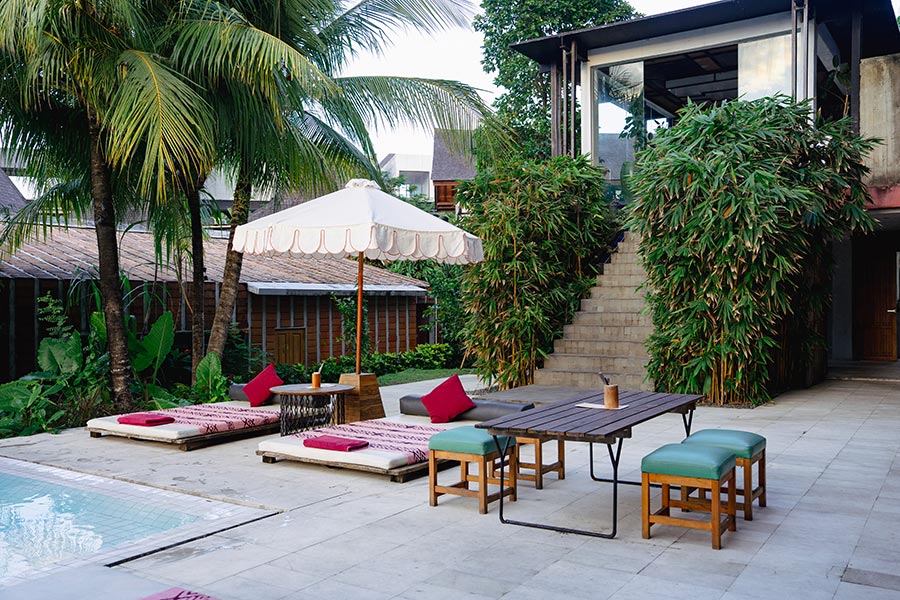
Design plays a crucial role in shaping the dining journey. Many venues incorporate reclaimed wood, bamboo, and natural lighting to echo Bali’s tropical aesthetic. Some even feature art installations or live music, turning the space into a cultural hub where food, art, and community converge.
Such thoughtful ambience not only enhances the meal but also encourages guests to linger, share stories, and return for future experiences.
Practical Tips for Exploring Canggu’s Culinary Gems
To fully enjoy Canggu’s diverse food scene, it helps to plan ahead while staying flexible. Start by researching popular spots, but also leave room for spontaneous discoveries, such as pop‑up stalls or hidden courtyards that may not appear in guidebooks.
Consider timing your visits to align with sunrise or sunset, as many venues offer spectacular views that complement their menus. Booking reservations for high‑demand restaurants, especially those with limited seating, ensures you won’t miss out on coveted experiences.
Embracing Sustainable Choices
Many establishments prioritize sustainability by sourcing ingredients from local farms, reducing plastic use, and supporting community initiatives. Opting for these venues not only enhances your culinary adventure but also contributes positively to the local ecosystem.
Look for certifications, menu notes about farm partnerships, or staff willing to discuss their sourcing practices—these are good indicators of a restaurant’s commitment to responsible dining.
Connecting Through Local Flavors
Don’t shy away from trying unfamiliar dishes. Traditional Balinese flavors—such as lemongrass, galangal, and kaffir lime—offer a refreshing contrast to familiar Western palettes. Pairing these with innovative presentations can surprise and delight.
When in doubt, ask the staff for recommendations or signature dishes. Their enthusiasm often reflects the passion behind the cuisine, guiding you toward the most authentic and memorable plates.
For a truly immersive experience, consider visiting a canggu restaurant that embodies the spirit of the area, blending local ingredients with creative flair.
Conclusion: Savoring the Journey Beyond the Plate
Exploring Canggu’s dining landscape is an invitation to taste, see, and feel the vibrant culture that defines this coastal enclave. From historic warungs to avant‑garde eateries, each venue offers a distinct narrative that enriches the traveler’s journey.
By embracing interactive concepts, sustainable practices, and the region’s natural beauty, diners can transform a simple meal into a lasting memory. Whether you’re a seasoned foodie or a curious traveler, Canggu’s unique dining experiences promise to delight and inspire, leaving you eager to return for another flavorful adventure.